Outdoor design without complications
Observe the space first.
Before starting any project, take a few minutes to carefully look at your garden. You will immediately notice where the light comes in, where there is shade, and which areas remain unused. This step may seem trivial, but it will help you understand where to place plants, paths, and fences. When you observe the garden, imagine how you would like to live in it every day: outdoor breakfasts, playing with the children, or summer dinners with friends. Drawing a freehand sketch, even a rough one, can simplify your life and make your project clearer. Don’t worry about being an artist: simple lines are enough to understand proportions and spaces. Remember, every corner has a hidden potential that is just waiting to be used.
A good trick is to walk through the garden at different times of the day. You will see how the light changes and which areas become more shaded or sunnier. This will help you choose suitable plants and furnishings, avoiding choices that look good on paper but are not very practical in reality. Don’t forget to mark existing elements, such as trees, flower beds, or paths, to understand where to intervene without overturning what already works well.
Create functional zones to live better
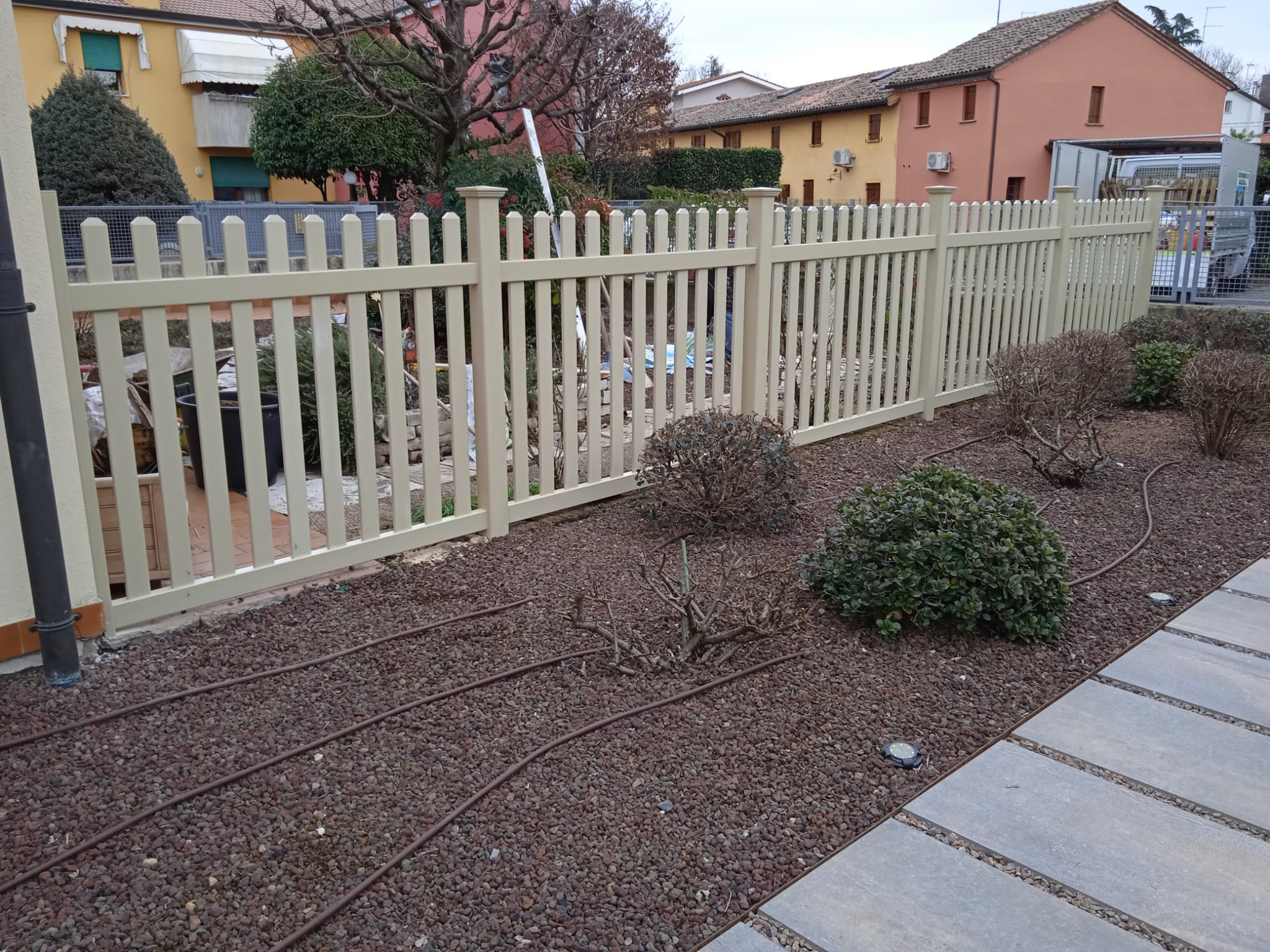
A well-organized garden always has zones dedicated to different activities. You can separate a relaxation area, a play space for children, and a small outdoor dining area. Even if your garden is small, you can achieve this effect using vertical slatted fences, tall planters, or strategic shrubs. These elements help define spaces without closing them off too much and maintain a sense of continuity. When creating functional zones, think about how you will move between sections: wide, linear paths make everything more comfortable and enjoyable to use.
Functional zones don’t have to be rigid. You can use benches, small tables, or modular elements that can be easily moved according to needs. For example, a relaxation area can become a play corner by moving chairs and rugs, or a dining area can transform into a reading space with a large cushion. Planning with flexibility allows you to adapt the garden to the seasons and special events. Remember: the garden is yours, so every choice should make you feel happy and comfortable.
Play with lines, proportions, and fences
Lines guide the eye and create order, even in the smallest gardens. You can use paths, borders, or vertical slatted fences to establish natural directions and make the space more elegant. Vertical fences not only define spaces but also add a modern, minimal touch that matches any style. Choosing light or neutral materials will make the garden appear larger and brighter. Alternating vertical and horizontal elements creates a pleasing visual balance, preventing the space from looking flat or messy.
Besides lines, pay attention to proportions. Tall trees, medium shrubs, and low flowers create depth and make each zone interesting. When planning the layout, try to imagine the garden from different angles: from the entrance, the kitchen, or the bedroom. This perspective will help you understand if the distances are harmonious and if the paths are comfortable. Small details like lights, stones, or vertical decorations add personality and complete the design without complicating daily use.
Choose practical and durable materials
When planning your garden, consider materials that are easy to clean and durable. Treated wood, painted metal, or composites for vertical fences allow you to maintain order and privacy with little effort. If your budget is limited, you can combine natural materials with economical solutions, creating decorative effects without spending too much. Even the surfaces of paths influence the experience: gravel, stones, or decking are practical and visually pleasing. Think about how they behave with rain, sun, and wear over time.
The materials you choose also contribute to the overall aesthetics. Coordinating the color of fences with outdoor furniture and planters creates harmony and makes the garden more welcoming. Small touches like neutral paint or metallic details can give a modern effect without sacrificing functionality. Remember that the garden is an extension of the home: practicality and beauty must go hand in hand, so you can enjoy every moment without worries.
Small touches to live at your best
Finally, add details that simplify daily life. Soft lighting along paths, comfortable seating in strategic areas, and fragrant plants near the door make the garden more enjoyable. Even modular vertical fences can be used as support for climbing plants, combining aesthetics and functionality. Don’t rush: try different arrangements, move furniture, and test your daily routine in the garden. This will allow you to understand what really works and what to adjust before setting the final layout.
Always remember that the garden is a space to live in, not just to look at. Careful planning allows you to create practical and beautiful environments without sacrificing budget or comfort. In the end, every choice you make should make your garden a place where you can relax, have fun, and truly feel at home.
Why vertical lines change the space
Vertical lines have a surprising power: they transform the garden and immediately give a sense of order and height. When you choose vertical slatted fences, you are creating a background that visually elongates the space and makes it appear larger and airier. Even in small gardens, vertical lines provide depth, guide the eye, and add elegance without weighing down the environment. You don’t have to be a professional designer to appreciate the effect: just observe how a vertical element captures the eye and defines the boundary of the space.
You can use vertical lines not only for fences but also for dividers, tall planters, or pergolas. These elements create a coherent background that enhances plants, furniture, and decorative details. Additionally, a vertical arrangement helps separate functional areas without visually closing off the garden. This way, you can have a dining space, a relaxation area, and a play area for children, all well-defined yet open and welcoming.
Functionality hidden behind aesthetics
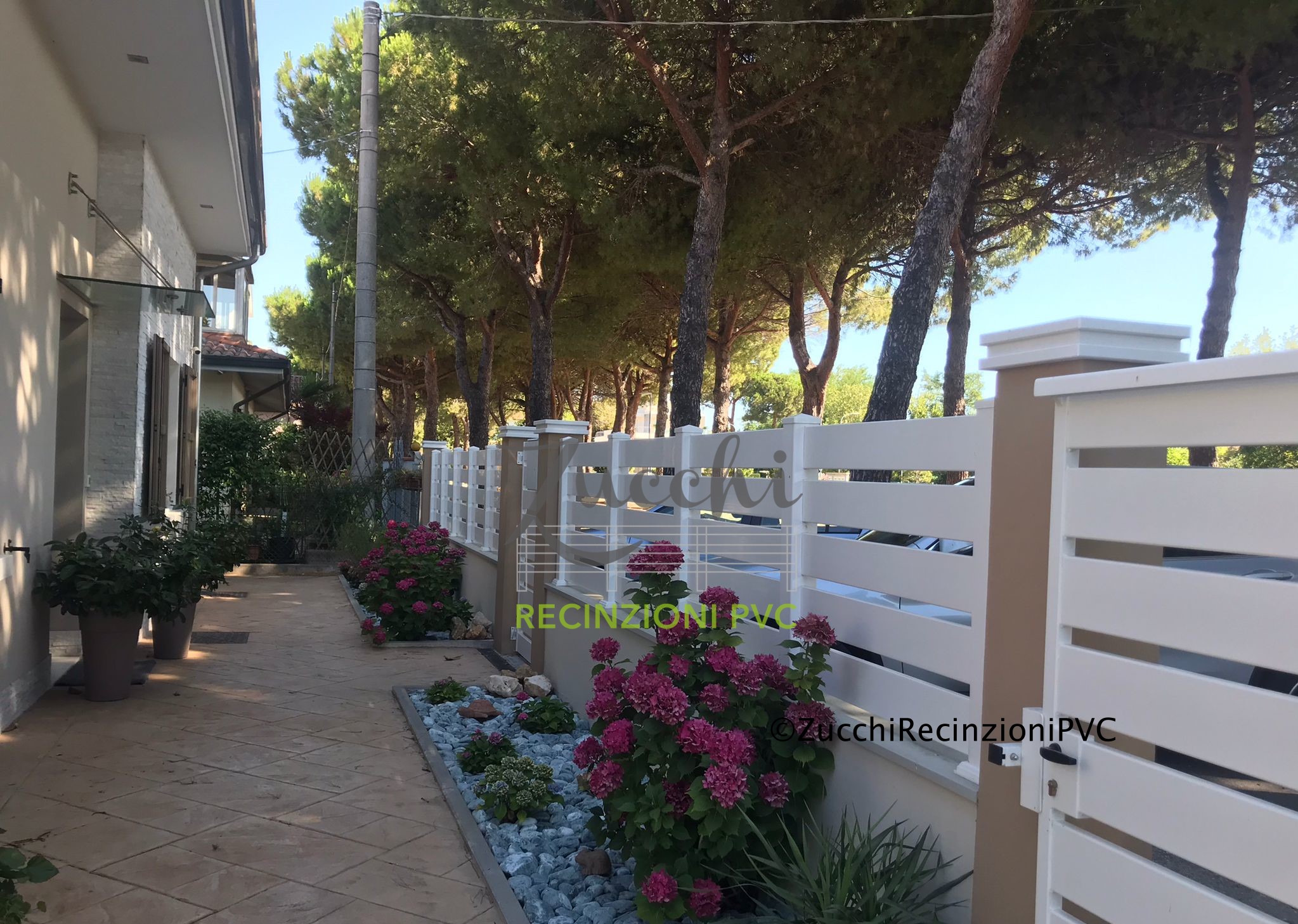
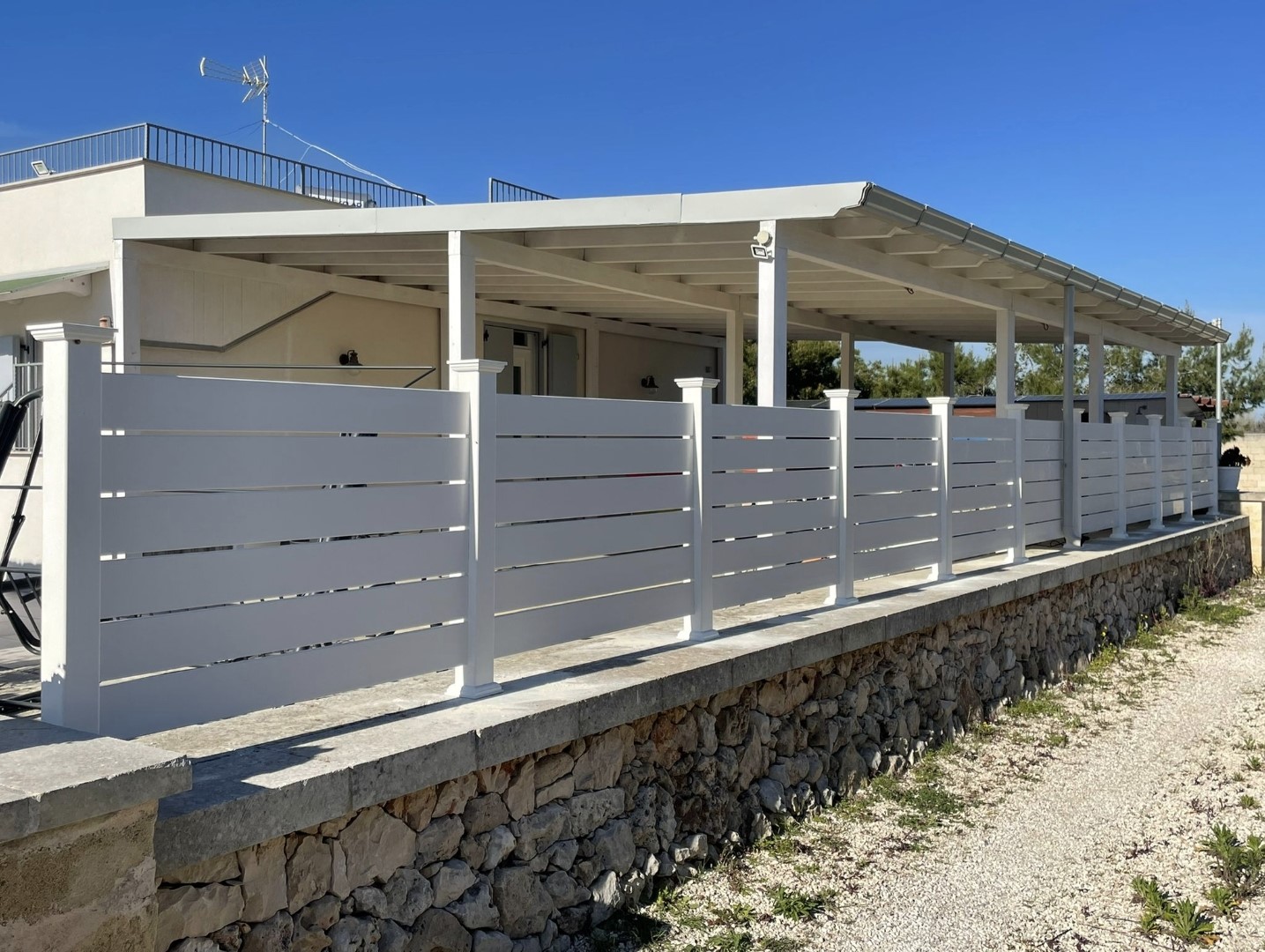
Vertical lines are not just for visual appeal: they are incredibly functional. They can provide privacy in small gardens and urban spaces, protecting you from neighbors without building heavy, oppressive walls. With a vertical slatted fence, you can enjoy moments of relaxation without feeling watched, while your children or pets play freely and safely. Additionally, many modern vertical fences are modular: you can add sections, remove them, or move them easily as needed.
This type of vertical structure also makes maintenance easier: dirt, leaves, or small branches slide more easily along the slats, reducing strenuous cleaning. Some weather-resistant materials allow you to have beauty and practicality without spending too much on upkeep. You can even use vertical lines as support for climbing plants or decorative lights, combining aesthetics and functionality in a single element, making the garden more livable and versatile.
Vertical lines for a modern style
If you love contemporary style, vertical lines are a real ally. They make the garden look tidy and minimal, creating a clean and coherent visual effect. By choosing thin slats and light materials, you can achieve an elegant and light look, perfect for modern homes. Pairing natural wood with painted metal also creates interesting contrasts without weighing down the view. Verticality allows you to play with light and shadows, giving dynamism and movement to outdoor spaces.
Vertical lines also work well in combination with horizontal elements, such as decking or benches. This balance adds harmony to the garden and makes every corner more pleasant to experience. Don’t forget to consider colors and materials that are consistent with the style of the house: this helps create continuity between indoors and outdoors, making the garden experience more enjoyable. Even small details like colored slats or particular textures can become focal points that attract attention without overcrowding the space.
Practical ideas for using vertical lines
You can experiment with different uses of vertical lines to make your garden more beautiful and functional. For example, create a relaxation corner with a vertical fence as a backdrop, add climbing plants for color and freshness, or use vertical panels as dividers between the dining area and the play area. Vertical lines also allow you to organize small spaces without sacrificing privacy or natural light, keeping everything neat and harmonious.
Another trick is to use the modularity of vertical slats to easily change the layout. You can add sections, move panels, or integrate them with other materials such as glass or metal. In this way, your garden evolves with you and your needs, without requiring long or costly work. Don’t forget lights or vertical decorations: hung on the panels, they create atmosphere and add functionality without taking up ground space.
Maximizing space and style without compromises
Finally, remember that vertical lines allow you to combine aesthetics and functionality without compromises. With a few adjustments, you can achieve a garden that is tidy, elegant, private, and practical. Just choose suitable materials, play with heights and proportions, and integrate strategic vertical elements. This approach helps you enjoy your outdoor space more, making the most of relaxation, family moments, and outdoor dinners without feeling limited. Vertical lines, when used thoughtfully, become the perfect frame for every activity in your garden, adding elegance without complications.
Don’t rush: observe, experiment, and adapt each element to your daily needs. This way, the garden becomes a space where aesthetics, functionality, and comfort coexist perfectly, without compromises.
Choose materials that withstand time
When buying your first home, choosing durable materials for the garden immediately becomes a priority. Treated wood, composites, and painted metal ensure beauty and durability, even without constant maintenance. Vertical slat fences, for example, last for years if you choose the right material, protecting the garden and maintaining privacy. Even small choices like modular panels or quality screws make a difference over time. You don’t need to spend a fortune: you can combine aesthetics and durability without sacrificing your budget.
Moreover, durable materials reduce daily stress. You won’t have to worry about peeling paint, rotting panels, or unstable structures. This means more time to enjoy the garden, have outdoor dinners, and watch the children play without concerns. When planning your outdoor space, think long-term: a slightly higher initial expense will save you time and money in the future, ensuring peace of mind and safety for years.
Modularity and ease of maintenance
Durable solutions aren’t limited to materials: modularity is also essential for young homeowners. Vertical panels or modular fence sections allow you to change the layout as needed, without demolishing anything. This is useful if you want to create new relaxation areas, a small urban garden, or simply rearrange chairs and plants. Flexibility is a great advantage, especially as the garden becomes more used.
Ease of maintenance is another key aspect. Weather-resistant materials reduce cleaning and special treatments. Smooth or slightly grooved vertical panels allow leaves and debris to slide off, keeping things tidy with minimal effort. Some modern fences combine different materials, such as composite wood and metal, achieving elegant aesthetics and incredible durability. This way, the garden always stays beautiful without requiring extra hours of work.
Investing in long-term solutions
When you are a young homeowner, it’s easy to think of cheap and quick solutions, but investing in durable elements brings real benefits. A well-built vertical fence not only protects privacy but also enhances the entire property, making the garden more inviting and functional. Moreover, quality materials withstand sun, rain, and wind better, avoiding frequent replacements and unexpected expenses. This allows you to enjoy your home without additional worries.
Another trick is to combine aesthetics and durability: treated wood, painted metal, or neutral composites can harmonize with modern furniture and the colors of the house. Modular panels give you the freedom to change the configuration, adding decorative elements like lights or vertical planters. This way, every choice becomes a smart investment, enhancing comfort, style, and the value of the home. The garden becomes a practical, safe, and beautiful space, ready to grow with you and your needs.
Privacy and functionality without compromises
Durable solutions also allow you to protect privacy without sacrificing style. Tall, sturdy, and well-spaced vertical panels ensure peace of mind without creating heavy walls. You can use modular fences to separate play areas from pathways or relaxation corners, creating order and safety. This is especially useful for young couples with children or pets, who need safe spaces to enjoy every day.
Moreover, durable solutions make it easy to add extra elements in the future, such as solar lights, climbing plants, or decorative hooks. You don’t have to plan everything at once: you can build a beautiful and functional garden in stages, adapting it gradually to your needs. This way, every change becomes simple, affordable, and consistent with the initial design, without compromising aesthetics, functionality, or durability.
Enjoy the garden without worries
Finally, choosing durable solutions means freeing yourself from worries and enjoying your outdoor space. Sturdy vertical fences, easy-to-clean materials, and modular panels create a garden always ready to be enjoyed. Outdoor breakfasts, summer dinners with friends, or children’s playtime become carefree moments, without stress. Careful planning today allows you to have peace of mind tomorrow, and to watch your garden grow and transform with your family.
Remember that the garden is an extension of the home: every durable and well-thought-out choice enhances the surrounding environment, simplifies life, and adds beauty. By focusing on durability, modularity, and smart materials, you can create a modern, welcoming, and practical space, perfect for young homeowners like you.
Plan your budget without stress
When buying your first home, the budget may seem like a limit, but it is actually an ally. Deciding how much you want to spend on fences and outdoor furniture helps you make smart choices without surprises. Start by evaluating materials, design, and functionality, and put everything in writing. This allows you to understand which elements are essential and which you can add later, without compromising the final result. Remember that spending a little more on durable materials will save you future maintenance.
You can also create a priority list: vertical fences, furniture, lighting, and plants. This way, the budget becomes flexible, allowing you to purchase the most important items first. If you want to save, consider modular or DIY options for some parts of the garden. This lets you spread out expenses over time, without sacrificing aesthetics or functionality. Even small details like quality screws or protective treatments help avoid extra costs in the future.
Simple and quick maintenance
A beautiful garden doesn’t have to be tiring. When choosing materials and fences, aim for solutions that are easy to clean and maintain. Vertical slat fences in treated wood, metal, or composites require very little care, leaving you more time to enjoy the space. Modularity also helps: you can easily disassemble sections to clean or replace damaged panels. You don’t need to spend hours fixing every detail: small periodic interventions are enough to keep order and beauty.
A practical trick is to consider maintenance during the design phase: leave space to sweep, water, or move objects easily. Choose materials resistant to sun, rain, and humidity, so the garden stays beautiful all year. Even selecting smooth or slightly grooved surfaces makes cleaning easier, allowing you to remove leaves or debris quickly. This lets you enjoy the garden without stress, maintaining aesthetics and functionality effortlessly.
Save without sacrificing style
Having a limited budget doesn’t mean giving up on style. You can combine inexpensive materials with durable elements, creating a beautiful and functional garden. For example, use affordable vertical slats for less visible sections and premium materials for main panels or relaxation corners. Small details like solar lights, coordinated pots, or climbing plants add aesthetic value without significantly increasing costs. With careful planning, every euro is spent wisely.
Another strategy is to buy in advance and take advantage of seasonal offers or discounts. This way, you can plan the garden layout calmly and without urgency, avoiding impulsive spending. Moreover, investing in durable materials reduces the need for frequent replacements, saving money in the long run. Furniture and modular accessories also allow you to expand the garden gradually, spreading out expenses without sacrificing aesthetics or functionality.
Small daily habits
Besides choosing materials and planning the budget, there are small daily actions that help keep the garden beautiful with minimal effort. For example, regularly clean vertical slats, remove accumulated leaves, and water plants as needed. Using solar lights and automatic irrigation also simplifies daily management, avoiding waste and saving time. Small, consistent measures are more effective than occasional major interventions.
If you have children or pets, organize the space with practical pathways and vertical panels that protect delicate areas. This reduces accidents and damage, avoiding unexpected costs. You can also plan multipurpose corners: a relaxation area can become a play space or outdoor dining area without expensive modifications. This way, the garden remains functional, tidy, and enjoyable to use every day.
Enjoy the garden without worries
In the end, the secret to a balanced budget and easy maintenance is thinking long-term. Investing in durable and modular materials allows you to create an outdoor space that is practical, aesthetically pleasing, and easy to manage. By planning carefully and following small daily habits, you can enjoy the garden without stress. Sunny breakfasts, outdoor dinners, or playtime with children become carefree and enjoyable moments.
Don’t rush: evaluate every choice carefully, balancing costs, style, and practicality. This way, the garden becomes an extension of the home, a beautiful, functional, and durable space, perfect for young homeowners like you.
Share This Story, Choose Your Platform!





Leave A Comment