Anti-Salt Guide: Tips, Mistakes, Materials, Trends
Veteran operators’ tips
Managing a beach resort seems easy, but you quickly discover that the sea always has its own plan, and you need to learn to anticipate it before it ruins your day. The most experienced managers have developed a series of almost magical rituals that turn life at the beach into a perfect balance of organization, cunning, and a good dose of humor. In this section, I want to share with you those little secrets you won’t find in official manuals, because they come directly from experiences under the scorching sun and sudden gusts of wind. If you want your resort to run like a well-oiled machine, keep reading and let yourself be guided by those who have learned everything firsthand.
Learning to read the wind like an old sea wolf
One of the first tips veteran managers will tell you is that you cannot ignore the wind, because it will not ignore you and will do everything to test every element of your resort. To know how to act, you need to learn to read it even before feeling the first gust, because this allows you to anticipate potential problems and turn a potentially chaotic day into a manageable flow. When you see the umbrellas beginning to tremble slightly, you immediately know it’s the perfect time to check fences, entrances, and shade sails, avoiding unpleasant situations that could ruin the atmosphere. The most experienced managers always check wind-resistant structures, such as PVC fences, because they know that lightweight yet sturdy materials provide stability even on the most unpredictable days. You too can adopt this approach and turn wind management into a simple, practical, and incredibly useful habit.
Organizing the spaces like a conductor
Another valuable secret from veterans concerns space organization, because a well-structured beach not only looks more professional but also functions much better. You quickly notice that every corner matters and that every pathway must have a precise purpose, to avoid congestion, confusion, and those chaotic situations that waste time and patience. The most experienced managers will tell you to think of the spaces like a choreography, where clients, equipment, and staff move without getting in each other’s way throughout the day. Creating clearly defined zones using visual elements like lightweight fences, clear walkways, and simple signage allows everyone to know where to go without unnecessary questions. The trick is to make the environment intuitive, so clients immediately feel at ease and you can focus on the most important tasks without repeating the same instructions over and over. Try reviewing your resort’s layout as if you were composing a symphony, because a little harmony works wonders.
Using clever materials to reduce work
Veterans know that choosing the right materials is one of the best investments you can make, because the sea is unforgiving and tests everything you place in your facility. If you want to avoid constant repairs, you need to opt for practical, sturdy, and salt-resistant solutions, because salt is a silent enemy that works unnoticed until it’s too late. Many experienced managers prefer materials like PVC to define areas and pathways, because it doesn’t rust, doesn’t fade easily, and withstands external elements better. This doesn’t mean choosing something just because it lasts, but selecting a solution that allows you to work less without sacrificing the aesthetics of your resort. Investing in smart materials saves time, energy, and money, letting you focus on what makes your beach special.
Asking clients for advice without fear
One of the most underrated tricks concerns the relationship with clients, because often they notice details that you, used to the routine, no longer see. Veteran managers talk a lot with clients, especially regulars, because they know that sincere feedback is worth more than ten technical analyses. Sometimes a simple question like “Do you like how we organized the relaxation area?” is enough to uncover useful insights on how to improve the service. This helps you create a more welcoming and functional resort, making clients part of the process without making them feel like judges.
Creating smart routines to avoid chaos
In the end, what distinguishes a veteran from a beginner is the ability to create simple routines that prevent problems before they arise. A brief inspection in the morning, a few quick checks in the afternoon, and a final tidy-up at sunset allow you to keep everything in order without stress. Each small routine reduces the risk of surprises, avoids extra expenses, and helps you manage with greater peace of mind.
If you apply even just a few of these tricks, you’ll see that each season will be easier, more enjoyable, and more fun to face. And you’ll also feel like part of the wisdom of true veteran managers.
Common mistakes in beach facilities
Managing a beach resort puts you daily in front of choices that seem simple but, if wrong, can turn into small disasters capable of ruining your mood and confusing clients. No matter how prepared you are, because the sea has this special talent for amplifying the most trivial mistakes and making them seem like huge problems, especially on busy days. In this section, I want to show you the most common errors that almost all managers make at least once, so you can avoid them and enjoy a calmer, more organized season. You’ll notice that many of these situations can be resolved with a bit of attention, a touch of humor, and the willingness to improve every day.
Underestimating the importance of well-defined areas
One of the most frequent mistakes at beaches is thinking that spaces manage themselves and that clients will automatically know where to go without clear visual cues. In reality, you quickly discover that if you don’t create defined pathways and zones, your resort turns into a maze where everyone walks everywhere, creating confusion and slowing down staff work. Every area, from the relaxation zone to the paths toward the umbrellas, needs to be clearly marked to avoid constant misunderstandings that waste valuable time. Many veteran managers use lightweight fences and durable materials like PVC to prevent clients from entering restricted areas or going the wrong way and causing disorder. If you don’t, you risk unpleasant situations, complaints from clients, and staff having to repeat the same instructions over and over.
The truth is that when you clearly define the spaces, everything works better because people feel guided and less lost while you work with less stress. Try looking at your beach as if you were seeing it for the first time and ask yourself whether the layout of the elements is really clear or if you can improve some detail in a simple and immediate way.
Ignoring wind and weather forecasts
Another common mistake is underestimating wind, salt, and humidity, because they seem like inevitable natural factors, but in reality, you can learn to anticipate and manage them easily. Many beginners don’t check the weather conditions daily and end up fixing fallen umbrellas or displaced structures after a sudden gust. Experienced managers, on the other hand, know that a quick check every morning is enough to prevent problems and reduce the risk of incidents that challenge the organization of the resort.
One of the most common mistakes is using unsuitable materials in wind-exposed areas, because they quickly deteriorate and require constant repairs that steal time and energy. By choosing lightweight but sturdy solutions, like PVC fences or wind-resistant structures, you avoid surprises and enjoy calmer days even when the weather decides to play tricks on you. Remember that the sea is unforgiving and that a small precaution can make the difference between a peaceful day and an afternoon to forget.
Neglecting daily maintenance
One of the most common mistakes is postponing small checks, thinking that nothing will change anyway, because the season is long and there’s always time to fix what’s needed. In reality, you quickly realize that every neglected detail today turns into a doubled problem tomorrow and risks slowing down the management of the entire facility. Many novice managers think that a good morning cleaning and a few quick fixes here and there are enough to keep the beach in order, but the truth is that maintenance is a continuous process that requires consistency and method.
Checking walkways, fences, showers, and shaded areas takes only a few minutes but prevents small defects from turning into major issues during peak times. When you use weather-resistant materials, you greatly simplify this daily work, because you don’t have to fight corrosion, salt damage, or sudden fading. Remember that maintenance is not a waste of time but an investment that allows you to offer clients a safe, welcoming, and always well-kept environment.
Not listening to clients when they can help you
Many managers make the mistake of thinking that clients don’t understand the internal workings of the beach and that their comments are just unfounded complaints. In reality, all it takes is a little attention to discover that clients often notice valuable details that you, used to the routine, no longer see. Ignoring these signals leads you to repeat the same mistakes season after season without improving the overall experience of your facility.
When you ask for honest opinions and welcome suggestions with an open mind, you immediately discover how to improve pathways, services, and space layout without major investments. Remember that clients don’t want to criticize you but to enjoy their day at the beach to the fullest, so many of their observations help you refine the facility and avoid mistakes you hadn’t even noticed.
Underestimating the importance of staff training
Another recurring mistake is thinking that staff will learn on their own simply by observing those who have been working longer, but the reality is very different. Without proper training, you end up with a team that acts chaotically and doesn’t know important procedures for safety and proper resort management. This creates confusion, slows down service, and generates mistakes that could be avoided with clear explanations and a short orientation session at the start of the season.
When your staff knows exactly what to do, where to move, and how to respond to clients, everything becomes simpler and smoother even on the busiest days. Remember that a well-trained team is the foundation of a well-functioning beach, and a small initial investment in training saves time and hassle throughout the season.
If you learn to recognize these common mistakes and start avoiding them with calm and awareness, you’ll see that managing your resort will become easier and more enjoyable day by day. The sea will continue to challenge you, of course, but you will always be one step ahead.
Materials that truly resist saltwater
When managing a beach resort, you quickly discover that saltwater is a stubborn adversary that seeps everywhere without mercy. Every surface becomes a target, and every structure seems ready to give way sooner than expected, especially if you don’t choose materials suited to the harsh beach conditions. In this section, I want to show you how to make smart choices that last over time and allow you to work more calmly. You’ll see that just a few precautions can turn your facility into a durable and easy-to-maintain environment, even on the windiest days.
PVC: your lightweight and surprisingly durable ally
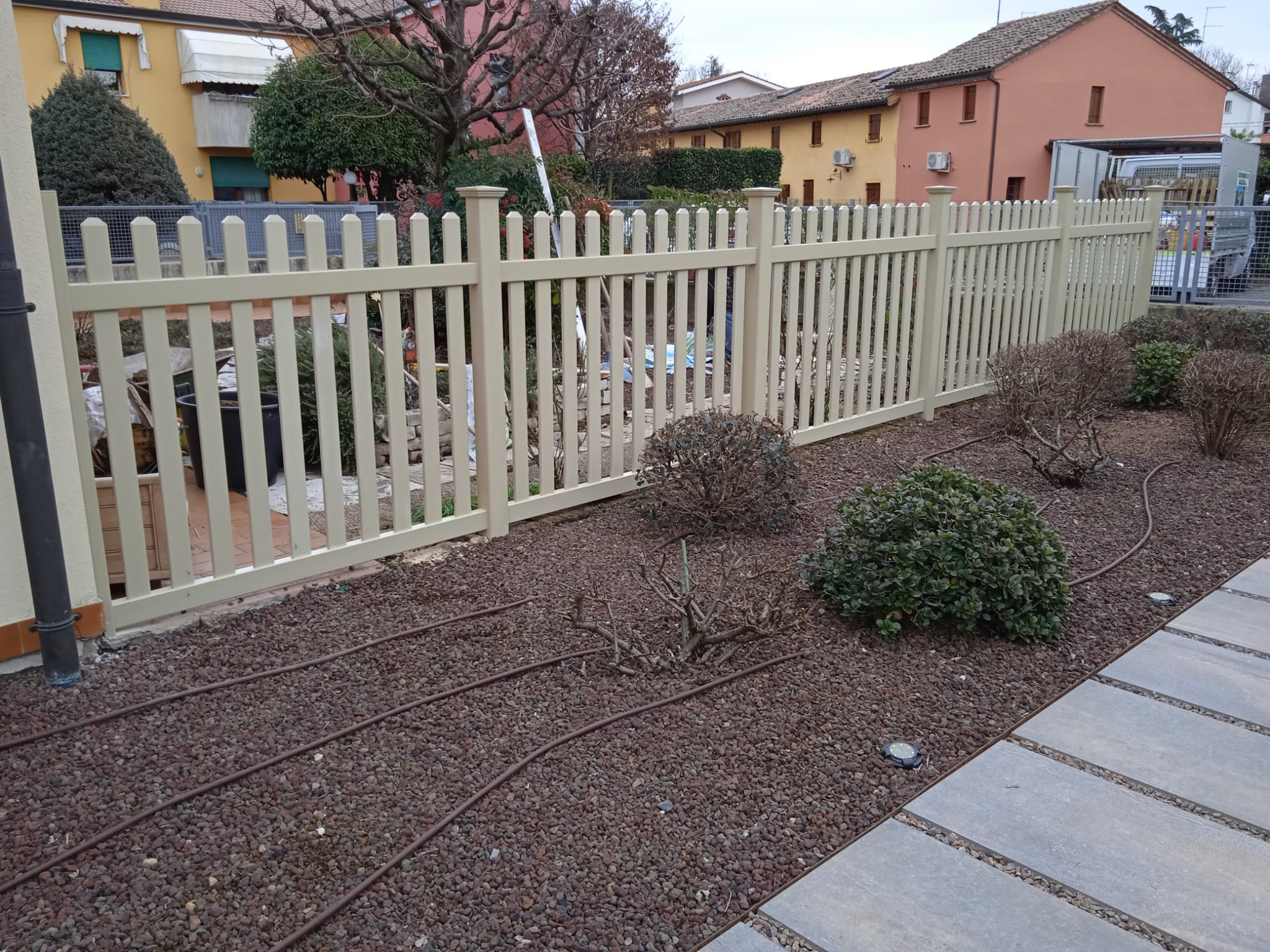
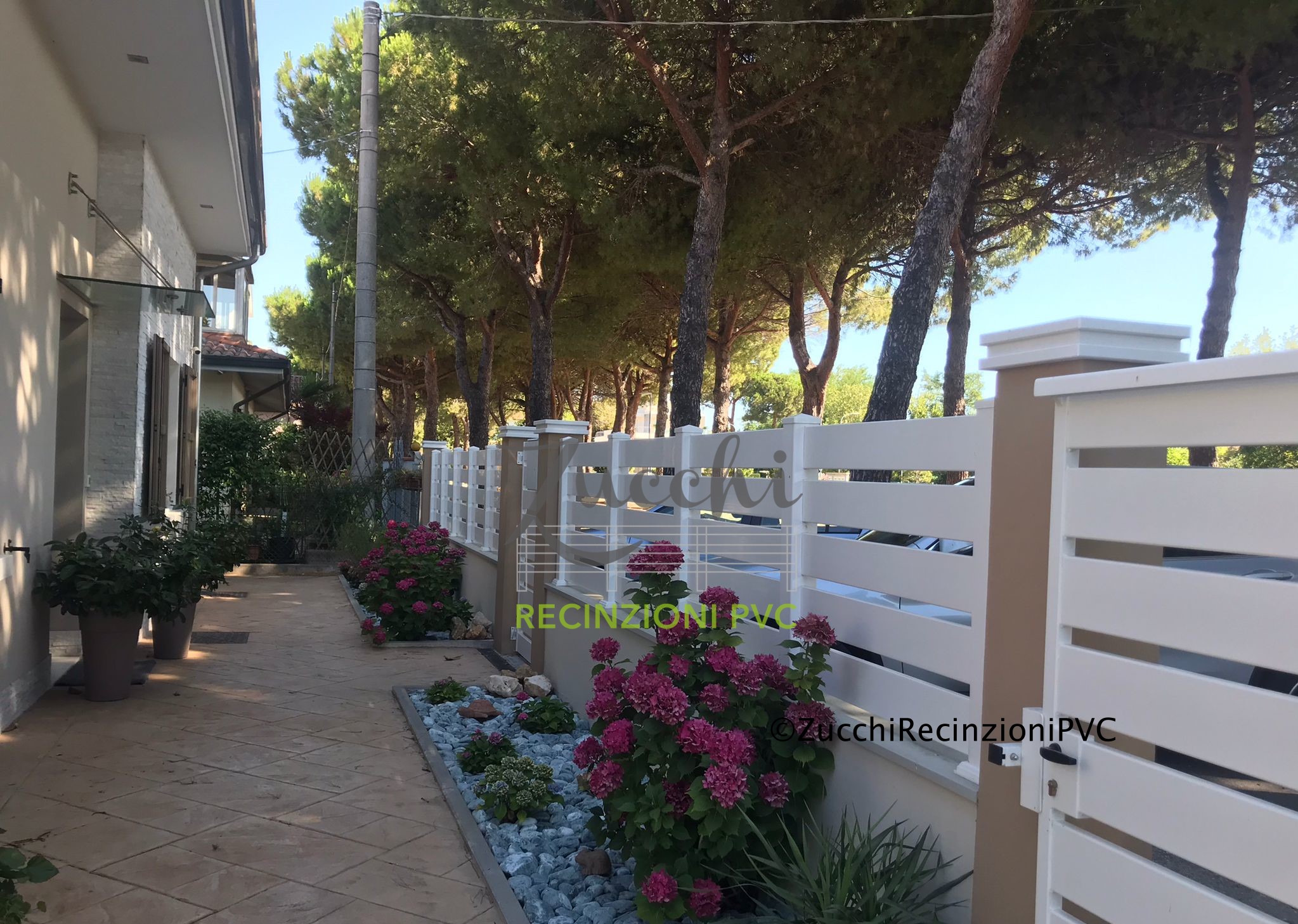
PVC is one of the most loved materials by experienced managers because it resists saltwater and doesn’t require complicated maintenance. You quickly notice that it remains stable even after weeks of intense sun and constant wind, without showing obvious signs of wear. Using this material for fences, boundaries, or small structural elements helps you avoid corrosion problems and provides a lightweight yet durable solution. Many beaches choose PVC because it retains its color over time and doesn’t change appearance even after entire seasons of continuous use. A quick cleaning is enough to make it look like new, and you don’t have to worry about stains or salt marks.
When you use PVC, you also discover an unexpected advantage that’s very useful for daily management, because you can move each element effortlessly, even on your own. This allows you to reorganize the spaces easily according to client needs or changing wind conditions. In the end, you have a reliable material that saves you time and effort, ensuring your beach looks orderly and professional.
Stainless steel: the champion of coastal durability
Stainless steel has long been considered the king of coastal materials because it withstands corrosion with almost magical resistance. Every time you choose this material for important structural elements, you feel more at ease, knowing it will last far longer than cheaper alternatives. Stainless steel resists humidity, doesn’t rust unpredictably, and doesn’t change color when saltwater makes its presence felt. For this reason, many resorts use it for showers, handrails, joints, and supports exposed to the sea air.
Despite the higher initial cost, you quickly discover that stainless steel is an investment that spares you hassles and expensive repairs in the years to come. Choosing a brushed finish also gives an elegant look that blends perfectly with the modern style many beaches seek today. The great thing is that a simple wipe with a damp cloth keeps it shiny without any special effort. When your beach faces wind and saltwater every day, having such a reliable material truly makes a big difference.
Treated wood: beautiful, natural, and surprisingly long-lasting
Wood remains one of the most appealing materials to use at the beach because it immediately adds a natural and welcoming touch to your resort. The problem is that untreated wood doesn’t handle saltwater well and tends to deteriorate quickly if not carefully protected. However, you can achieve excellent results by choosing durable woods and treating them with specific varnishes or oils that create a barrier against humidity and salt. Many managers use teak, iroko, or treated pine because they offer longer-lasting durability while maintaining a warm and pleasant aesthetic.
The trick is to spend a few minutes on periodic maintenance without seeing it as a chore, because it keeps the wood in perfect condition throughout the season. You’ll notice that well-treated wood lasts longer than you expected and gives the beach a refined atmosphere that clients greatly appreciate. If you love a natural style, you can combine wood and PVC to achieve a perfect balance between beauty and practicality, especially in areas most exposed to saltwater.
Anodized aluminum: lightweight, elegant, and ready for the challenge
Another material often underestimated but incredibly useful in a marine environment is anodized aluminum, which performs excellently even under daily saltwater exposure. Its lightness makes it ideal for movable structures, furniture, and elements that need to be frequently relocated to adapt spaces to current needs. The anodization creates a very strong protection that prevents corrosion from affecting the metal, keeping the surface clean and uniform.
By choosing aluminum, you get a material that doesn’t fade in the sun and retains its brightness even after months of continuous exposure. Many resorts use this metal for pergolas, frames, supports, and lightweight coverings because it’s easy to install and practically everlasting if properly treated. It requires very little maintenance to keep it perfect, greatly simplifying your staff’s daily work.
Combining materials for maximum durability and fewer problems
One of the smartest strategies is to combine different materials to leverage their strengths and create a robust and functional beach. For example, you can use PVC in areas most exposed to wind, stainless steel for the most important structural points, and wood in decorative zones. Making these choices carefully reduces problems and ensures a calmer season without constant interventions. Remember that saltwater is unforgiving and always targets the weakest materials, so mixing the right solutions allows you to protect every area of your facility with ease.
In the end, you realize that choosing durable materials is not just an aesthetic choice but a way to work more efficiently, spend less, and provide your clients with a welcoming and always well-maintained environment. If you want a beach that truly stands up to the sea, starting with the right materials is the most important decision you can make.
Share This Story, Choose Your Platform!





Leave A Comment