How to Choose PVC Fencing for Farmland
Durability in extreme weather conditions
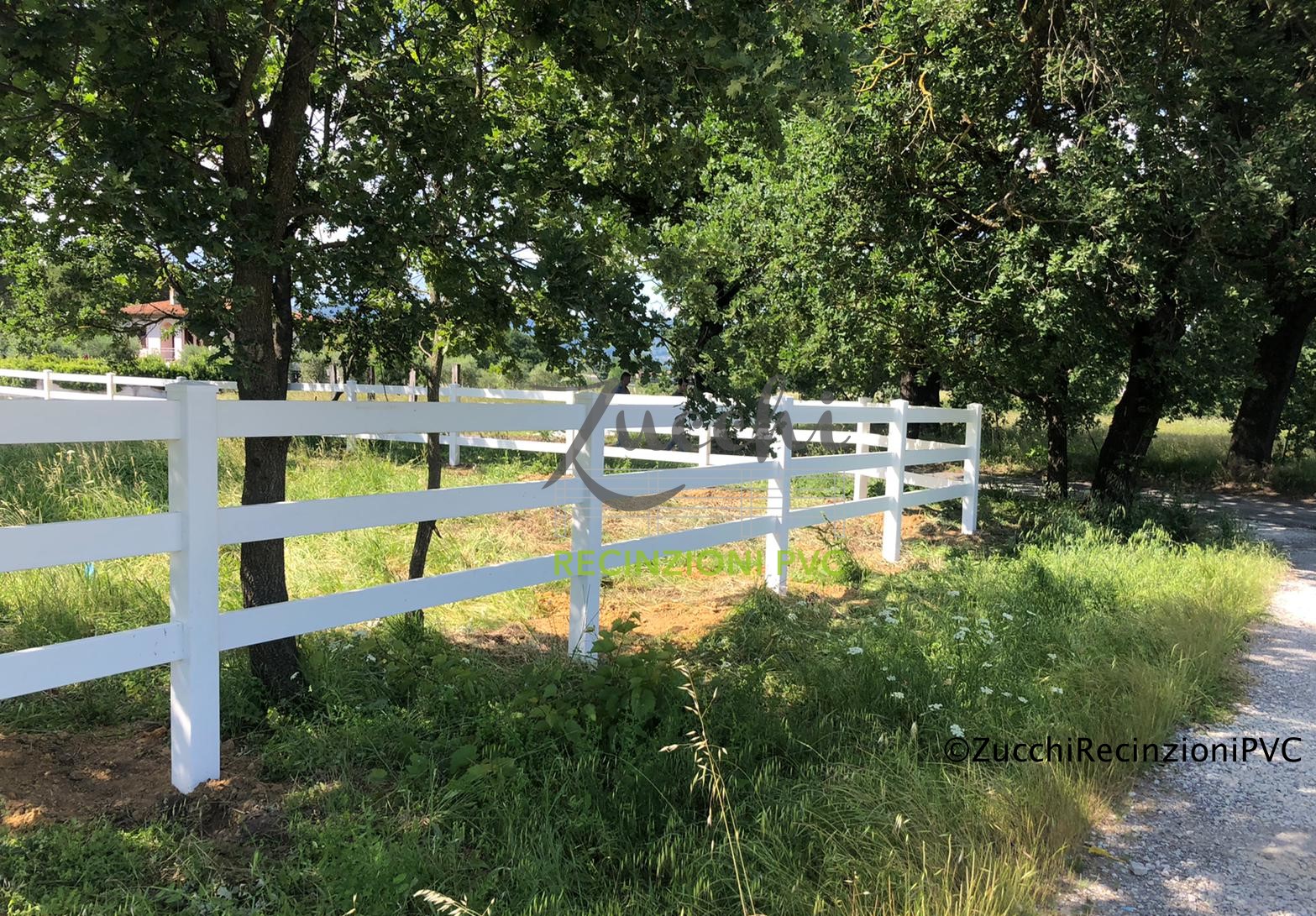
When you think about your farm or rural property, you’re probably concerned about how to protect every corner from damage. Sun, rain, wind, and even snow can put a strain on any fence, especially if it wasn’t designed to withstand the elements. That’s where PVC fencing comes in—it combines light weight, easy installation, and incredible weather resistance. You’ll no longer have to worry about damaged sections or rotten posts, because PVC is built to last for years, even in the harshest environments.
Withstanding the scorching sun
The sun may seem harmless, but UV rays can discolor and weaken many materials, causing wood or metal to become brittle over time. With PVC, however, the situation is completely different. This special material contains additives that protect against UV rays, so you’ll no longer have to spend hours repairing or replacing discolored parts. Plus, PVC doesn’t warp in the heat, so you can leave your fence exposed to the sun all day without worrying about bends or cracks. Even in the hottest summers, your farm will stay protected and tidy. And the best part? You don’t need any paint or special treatment to keep it looking brand new.
The sun can make everything more beautiful, but it can also make things more complicated if your fence isn’t durable. PVC lets you enjoy sunny days without worry, knowing that your fence remains sturdy and secure. You won’t have to check every corner of the fence every week anymore: the material does its job on its own, protecting your property and your animals.
Surviving Rain and Humidity
Heavy rain, fog, and constant humidity can be a real nightmare for wooden or metal fences. Wood rots, metal rusts, and before you know it, you’re facing unexpected costs for replacements or repairs. PVC, on the other hand, is completely waterproof. It doesn’t absorb water, so it doesn’t swell, warp, or develop mold. This means that even during long periods of rain or in areas with high humidity, the fence remains sturdy and secure.
Plus, maintenance is minimal: a simple wipe-down with soap and water is all it takes to keep it looking great. You can spend more time tending to your crops or animals and less time worrying about the fence. If you love watching your land get wet after a rainstorm, you can do so without a care in the world: your fence will stay in pristine condition and continue to protect what matters most.
Braving the wind, snow, and hail
If you live in rural areas, you’re probably well aware of the power of wind, snow, and even hail. These elements can bend posts, break panels, and create weak spots in traditional fences. PVC, however, is incredibly flexible and durable. It can absorb the impact of hail without breaking and withstand strong gusts of wind without bending or coming loose from its supports.
When the snow falls, you won’t have to worry about the weight damaging the structure: PVC can withstand heavy loads and always returns to its original shape. Even in extreme weather conditions, your fence will continue to fulfill its primary function: protecting your property, your animals, and your equipment. It’s like having an invisible yet sturdy barrier, ready to weather any storm without complaint.
Why Choosing PVC Is a Smart Investment
Choosing PVC means investing in peace of mind. You’re not just buying a fence—you’re buying years of worry-free protection. The initial cost may seem slightly higher than other options, but when you consider its durability, low maintenance, and weather resistance, the savings become clear.
What’s more, PVC is modular and lightweight, so you can easily adapt it to the size of your property without having to hire specialized installers. You can install the fence near orchards, vineyards, livestock farms, or open fields without worrying about the material getting damaged. It’s a practical, safe, and durable solution that gives you peace of mind all year round, with the freedom to enjoy your outdoor work without any worries.
Comparison of PVC with wood or metal
When you’re thinking about fencing your farmland, you’re probably wondering which material is best. Wood, metal, or PVC? Each has its pros and cons, but if you want a sturdy, durable, and easy-to-maintain option, PVC is quickly becoming the favorite among rural landowners. Here, I’ll walk you through a practical and fun comparison so you can make your choice without stress or regrets.
Wood: natural charm but constant maintenance
Wood has a certain charm: it feels warm and natural and blends perfectly into the rural landscape. However, if you own land or a farm, you should know that it requires constant maintenance. Wood absorbs water, swells, and can rot, especially when it rains or in damp areas. You’ll need to treat it with paint or wood preservative regularly; otherwise, your fence risks deteriorating quickly.
In addition, insects and pests can eat away at the wood, creating weak spots that compromise the security of your fence. While wood may seem romantic, it requires extra time, effort, and money to keep it looking good and functioning properly. For a farm, these issues can become stressful, especially when you want to focus on working in the fields or tending to the animals.
However, if you love the natural look and are willing to put in the effort to maintain it, wood can still be a great choice for small decorative areas or fences that are less exposed to the elements.
Metal: sturdy but prone to corrosion
Metal is known for its strength and durability: it rarely breaks, can withstand the weight of snow, and doesn’t bend easily. If you want to protect your property or animals from intruders, a metal fence might seem like the perfect solution. But be careful: metal is prone to rust if not treated properly. Even small scratches on the protective coating can turn into costly problems over time.
In addition, metal conducts heat and cold, making fences unpleasant to touch on hot summer days or cold winter days. If you live in an area with heavy rainfall or frequent fog, you’ll need to inspect the bars regularly and paint any rusted parts; otherwise, the overall lifespan will be reduced. The initial cost can also be high, especially for high-quality galvanized or painted fences.
Metal works well for large farms that need sturdy fencing, but if you want a practical, virtually maintenance-free solution, you should consider PVC.
PVC: lightweight, durable, and hassle-free
Now let’s talk about the star of the show: PVC. This material is lightweight yet surprisingly durable, and it can withstand sun, rain, wind, snow, and even hail without any trouble. It doesn’t rot like wood, it doesn’t rust like metal, and it requires very little maintenance. You can wash it with soap and water every now and then, and it will stay looking brand-new for years.
PVC is also modular, so you can easily adapt it to large or irregular spaces without having to constantly cut and shape complex materials. It’s a particularly smart choice if you own a farm or livestock operation and want to protect animals, equipment, or crops without any extra hassle. Plus, PVC comes in a variety of finishes and colors, so you can match it to the style of your property without sacrificing practicality.
And the best part? The value for money is excellent. Although the initial investment may seem slightly higher than some wood or metal options, the durability and ease of maintenance save you time and money in the long run. In short, choose PVC and you can focus on your farming work without worrying about the fence every season.
Which one should I choose?
If you want a quick comparison: wood is beautiful, but it requires time and constant maintenance; metal is strong, but it rusts and can become expensive; PVC combines lightness, strength, and durability with minimal maintenance. In other words, if you’re looking for a practical and reliable solution that will last for years and withstand extreme weather conditions, PVC is the most hassle-free choice.
Of course, wood or metal may have their own aesthetic appeal or traditional charm, but if you really need to protect your property or animals without any extra hassle, PVC offers freedom, security, and peace of mind. You’ll no longer have to worry about rust, rotten wood, or constant maintenance—you can simply enjoy your time outdoors, knowing that your fence will do its job quietly and reliably.
Save money without compromising on quality
When you’re thinking about fencing your farmland or farm area, you’re probably worried about spending too much. No need! With a few smart choices, you can get a sturdy, secure, and long-lasting fence without spending a fortune. Saving money doesn’t mean compromising: it’s about choosing the right materials, planning the installation carefully, and taking advantage of modern solutions like PVC. That way, you can protect your animals, crops, and equipment stress-free and with a smile.
Plan before you buy
The first step to saving money is to plan the entire project carefully. Measure your property, assess any slopes, natural obstacles, and access points. The more precise your measurements are, the less material, time, and money you’ll waste. Deciding in advance how many panels you need and which modules to use will prevent you from buying unnecessary extras.
A word of advice: think long term. Don’t choose a cheap fence just because of the initial price. Poor-quality materials can break or deteriorate quickly, forcing you to replace them and spend much more. With PVC, although the initial cost is slightly higher, you’ll save money in the long run thanks to its durability and low maintenance.
Choose smart materials
Not all materials cost the same, and not all last as long. Wood, metal and PVC have different properties, but PVC is often the smartest choice if you want to save money without compromising on quality. It doesn’t rust, it doesn’t rot, and it withstands sun, rain, snow and hail. This means you’ll avoid costly repairs and time-consuming maintenance.
If you want to get creative, you can mix and match materials: for example, use PVC for the main structure and wood just for decorative touches. This way, you’ll achieve a natural look without compromising on durability. What’s more, PVC is modular and lightweight, so you can easily adapt it to plots of different sizes without needing expensive equipment or labour. The result is a sturdy, practical and attractive fence without breaking the bank.
Take advantage of our offers and quotes
Another way to save money is to compare quotes and offers, but without wasting time. Request multiple quotes online or from local suppliers, always taking into account the quality of the materials and the warranty included. Never choose solely on the basis of the lowest price: you might end up with a fence that falls apart after just a few months.
Many PVC suppliers offer modular packages that allow you to buy only what you actually need, avoiding unnecessary costs. What’s more, some companies include after-sales support or DIY installation guides, so you don’t have to pay for additional labour. With a bit of research, you can find cost-effective solutions without compromising on safety, durability or aesthetics.
Do it yourself whenever possible
If you’re handy, consider installing the fence yourself. PVC is lightweight and modular, so you don’t need to be an expert to put it up. By following step-by-step instructions and using just a few basic tools, you can save on installation costs, and DIY installation can often be a fun activity too.
Of course, not all plots of land are easy to manage. If you have a very large or uneven area, you can combine DIY work with professional support to optimise time and costs. In any case, good planning and high-quality materials reduce the risk of mistakes and waste, ensuring you end up with a sturdy and long-lasting fence.
Choosing quality means saving money in the long run
Saving money doesn’t mean chasing the lowest price at any cost. It means choosing smart materials, planning carefully, using resources efficiently, and reducing maintenance and replacements. PVC is a perfect example: the initial cost may seem higher, but the real savings come over the years, without having to worry about sun, rain, wind or snow.
What’s more, your fence will last so long that the initial cost will seem almost irrelevant. It will protect your animals, crops and equipment, saving you time and money every season. In short, saving money the smart way means working less and enjoying your land more.
Creative ideas for dividing up large spaces
Managing large agricultural plots or open fields can seem complicated when you need to mark out areas safely and effectively. Fortunately, there’s no need to compromise on aesthetics or practicality: with a little creativity, you can create fences that are functional, durable and even pleasing to the eye. Whether you need to protect animals, crops or simply mark out boundaries, there are smart and easy-to-implement solutions. Here, I’ll guide you through some ideas that will make managing your large spaces much simpler and more enjoyable.
Modular fencing: flexibility and speed
One of the smartest solutions for large spaces is to use modular fencing. These prefabricated panels can be connected in a matter of minutes, allowing you to adapt the fence to uneven terrain with ease. If you have a long or sloping field, you can simply add or remove modules, creating a uniform and sturdy barrier.
The main advantage of modular PVC fencing is that it withstands sun, rain and wind well without warping. What’s more, you can replace individual panels if they get damaged, without having to replace the entire structure. This saves you time and money, and ensures your fence always looks good. With a bit of imagination, you can also alternate coloured panels or those with different designs to create interesting visual effects, making your outdoor space more welcoming and unique.
Natural solutions combined with PVC
If you want to add a creative touch, you can combine PVC with natural elements. For example, you can plant hedges or small trees along the fence, creating a green barrier that also enhances privacy and protects against wildlife. Combining durable materials such as PVC with vegetation allows you to have a fence that is both sturdy and in harmony with its surroundings.
What’s more, you can use climbing plants to cover the panels, creating a very pleasing visual effect without compromising on safety or functionality. This approach is particularly useful for enclosing large vegetable gardens or cultivated fields, where you want to protect your crops whilst maintaining a natural, well-kept appearance. Even smaller trees can provide shade and improve the microclimate, making the area more comfortable for both you and your animals.
Creating separate routes and zones
When managing large spaces, simply marking out the perimeter isn’t enough: you often also want to define pathways, work zones or areas set aside for animals. A modular or panel fence can be easily used to create passageways, corridors and separate zones without the need for complicated construction work. You can set aside one part of the land for crops, another for machinery, and yet another for livestock or animal enclosures.
One creative idea is to use fences of varying heights or semi-transparent panels to visually separate different areas. This allows you to see at a glance where each area begins and ends, improving both organisation and safety. Furthermore, clearly marked pathways reduce the risk of accidents and damage to crops, as you and your staff will always know where to walk.
Decorative and functional barriers
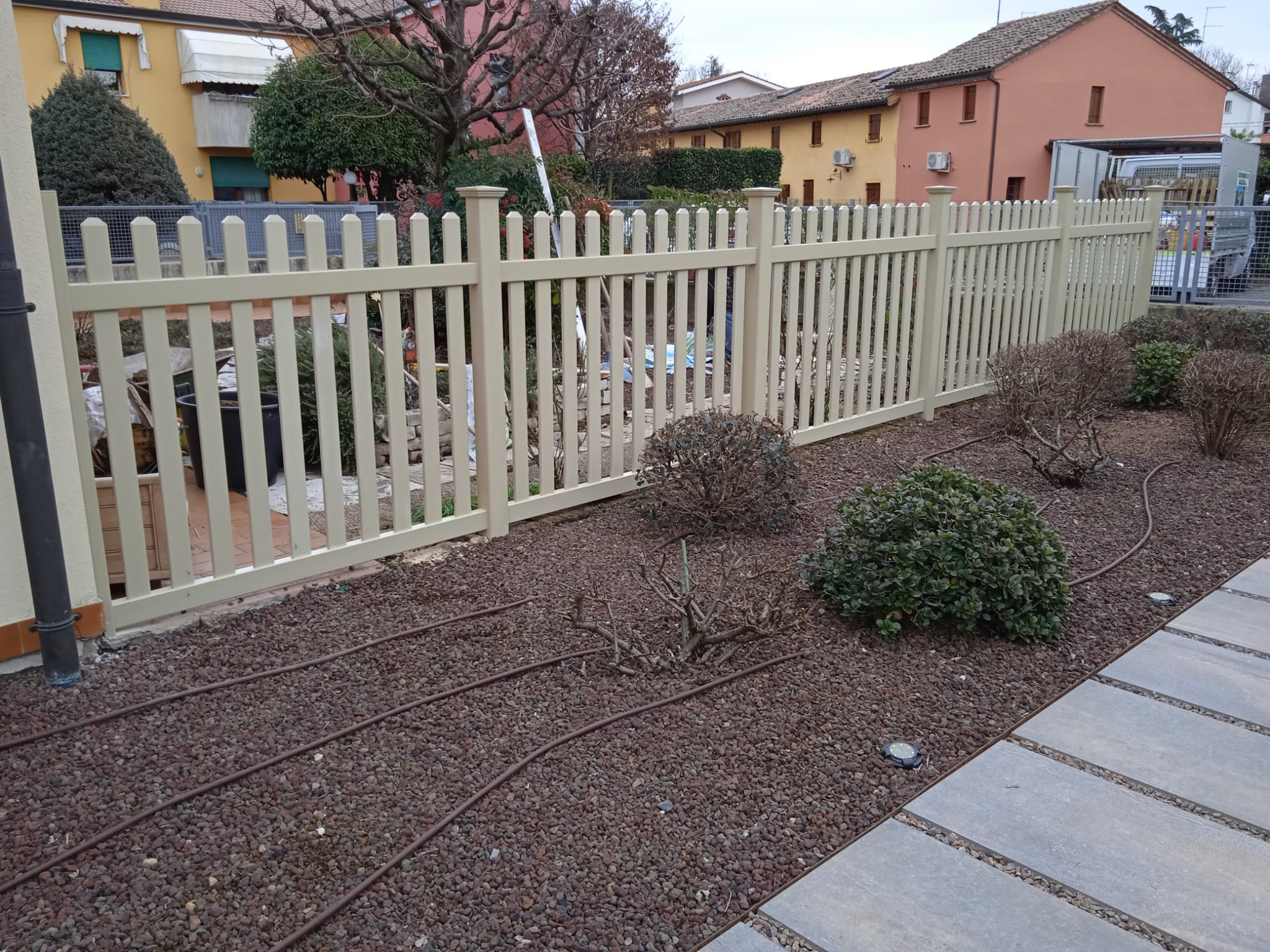
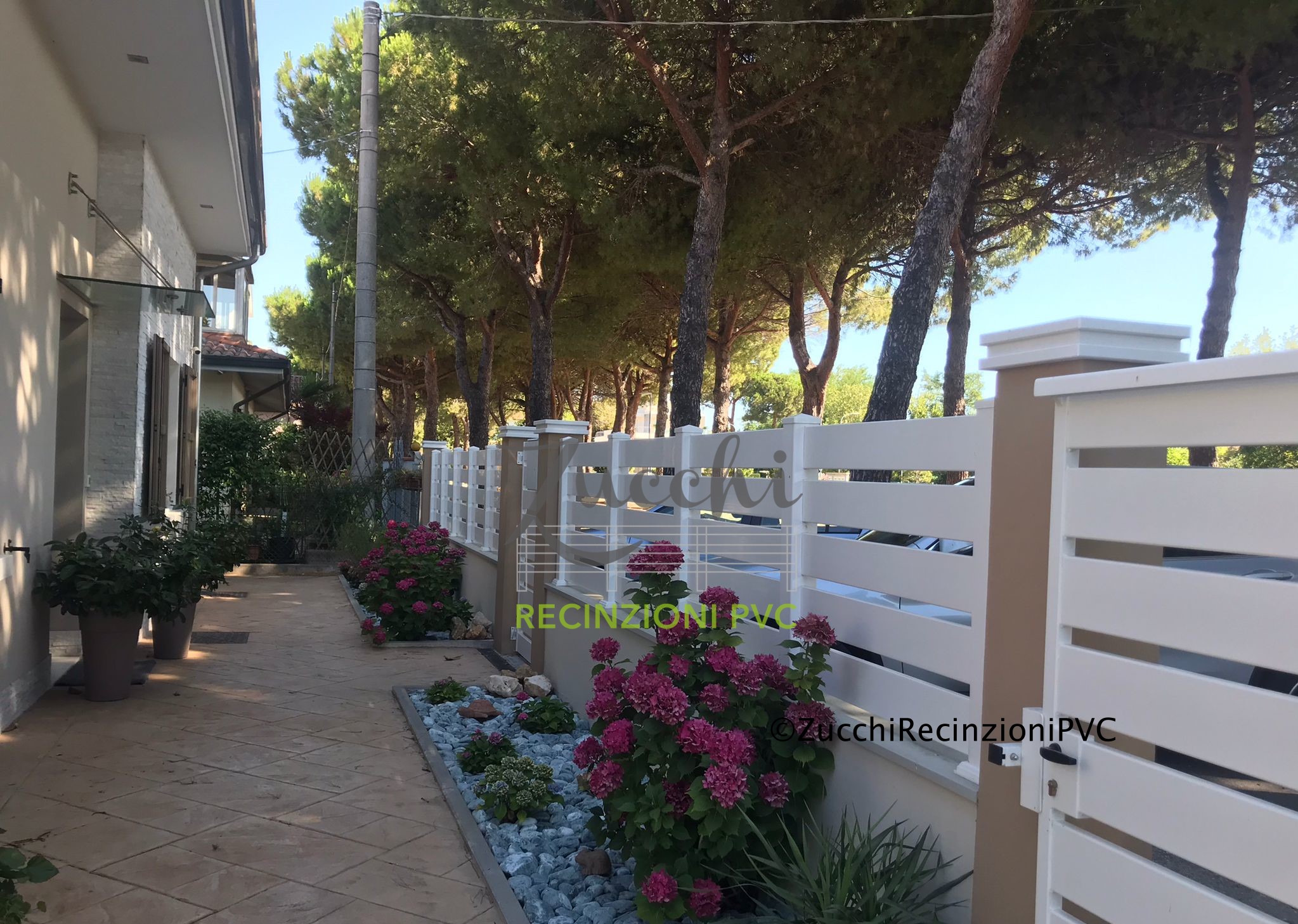
You don’t have to compromise on aesthetics just because you need to secure large areas. PVC comes in a range of finishes and colours, allowing you to create visually appealing barriers. You can alternate solid and perforated panels, use neutral colours or bright accents, and even incorporate small decorative details along the fence. These creative touches make the site more pleasing to the eye without compromising on functionality.
You could also consider temporary installations or movable sections for events or seasonal displays. PVC is lightweight and easy to move, so you can reconfigure spaces whenever you need to, with minimal effort. In short, you’re creating a safe, functional and attractive environment, making the most of the possibilities offered by modern materials.
Conclusion
Fencing off large areas doesn’t have to be complicated or tedious. With modular fencing, natural finishes and creative solutions, you can achieve security, tidiness and aesthetic appeal without any hassle. PVC allows you to protect crops, animals and equipment, whilst adding a personal touch to your land. You can plan pathways, create distinct areas and even incorporate decorative elements without compromising on strength or durability.
With a little imagination and some smart choices, fencing off large areas becomes a carefree and rewarding task, rather than a costly or complicated problem. You’ll no longer have to worry about panels rotting or rusting: your fence will always be ready to protect everything that matters most. This way, you can devote yourself with peace of mind to your farming work, your animals and your crops, knowing you have secure and attractive barriers.
Share This Story, Choose Your Platform!




Leave A Comment